For Catholics, These Aren’t Ordinary Times
EDITORIAL: The week that followed the Church’s birthday was one of tumult and terror.

In liturgical terms, Catholics bade a cheerful goodbye to the Easter season following the celebration of Pentecost Sunday on June 8 and entered into liturgical Ordinary Time.
But in secular terms, there’s nothing ordinary about the events that have since taken place. Instead, over the course of one of the most depressing single weeks in recent memory, the world has experienced an extraordinary eruption of turmoil and violence both nationally and internationally.
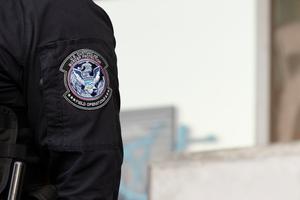
In the U.S., California remains dangerously mired in the protests and riots that began on June 6, targeted against the arrests of illegal immigrants by federal law enforcement officials. While this destructive climate of violent resistance against the enforcement of national immigration law has been centered in Los Angeles, it has already boiled over into other parts of California and into similarly enforcement-unfriendly jurisdictions in other states.
And, given the intensity of the clashing views on both sides of the immigration debate, the situation has the potential to escalate into one of the most significant domestic political crises the nation has experienced in the 21st century.
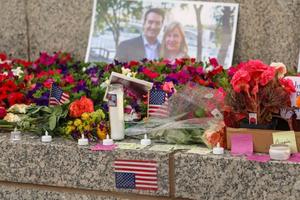
Perhaps even more immediately troubling are the horrific killings of Minnesota Democratic state legislator Melissa Hortman and her husband Mark, who were gunned down in their own home on June 14, and the related woundings of a Democratic state senator and his wife. The nation mourns collectively, in the face of this politically motivated horror.
At this time, the political affiliation of the arrested suspect is not certain. But political hate knows no partisan boundaries, as witnessed by previous near-fatal attacks in recent years that have targeted Republican and Democratic politicians alike.
Internationally, hatred and violence has spiraled out of control even more dangerously. On the night of June 13, Muslim militants slaughtered 200 people in rural Christian villages in the Nigerian state of Benue. Most of these latest innocent victims of the region’s ongoing religiously tinged campaign of genocidal violence against Christians were internally displaced persons, who had taken refuge at a local Catholic mission.
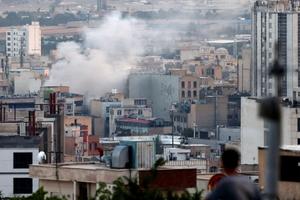
Earlier that same day, Israel unleashed its initial massive aerial assault against Iran, seeking to destroy the Islamic nation’s capacity to manufacture nuclear weapons before that ominous development can happen. Although most Americans strongly support Israel in its aspiration to prevent Iran’s rogue fundamentalist Muslim regime from being able to expose the Jewish nation to the risk of nuclear annihilation, the military action threatens to trigger a much larger regional war or an even broader conflict drawing in U.S. forces.
As the Middle East’s most militarily powerful nations traded salvos of airborne weaponry over the following days, with mounting numbers of collateral civilian deaths on both sides, the world’s other pair of major wars continued to grind bloodily forward in Gaza and Ukraine, with no end in sight in either violence-wracked locale. This week alone, the latter has witnessed some of the worst fighting of the nearly three-and-a-half-year-old war with Russia.
Faithful Catholics have already mobilized in continual prayers for peace in the face of this perilous global landscape. But in these desperate times, it’s time for desperate measures. We need to double down spiritually on whatever we’ve done so far, in the face of this global spate of violent occurrences.
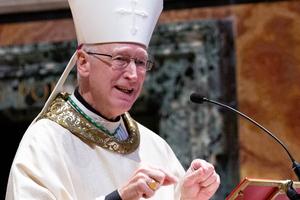
But how should we go about this? Bishop Earl Boyea of Lansing, Michigan, recently provided timely guidance about carrying out this crucial spiritual responsibility — one that’s been entrusted by the Prince of Peace himself, who asks us to join our hearts with his to assist in extending the loving touch of Jesus to the places where peace seems impossible.
Calling on Catholics to arm themselves with the “most powerful weapons that any Christian can wield: prayer, fasting and almsgiving,” Bishop Boyea urges us to employ this interconnected and immensely powerful trio of spiritual instruments as vigorously as we can, as we participate in this month’s devotions to the Sacred Heart of Jesus.
Bishop Boyea recommended his guidance for the specific purpose of helping Gaza, but we can and should extend our prayers, fasts and acts of generosity to all the violent flashpoints of this moment, abroad as well as here at home. We should also pay particular attention to offering them in support of political decision-makers in this highly charged political moment.